Get Residential Tree Service
Residential Tree Service providers handle tree removal, trimming, pruning, and health assessments to address safety hazards and improve property appearance.
Property owners in the area often consider residential tree services to maintain the health, safety, and appearance of their trees. Whether planning a landscape update, preparing for seasonal storms, or addressing concerns about overgrown branches, exploring local contractor options can help ensure the work is handled effectively. Comparing different service providers allows homeowners to find the right fit for their specific project needs, making it easier to manage and plan upcoming tree care tasks.
By exploring available residential tree services, property owners can gain insight into the range of solutions offered by local contractors. This can include trimming, pruning, or removal work designed to improve property safety and aesthetics. Continuing to read can help identify qualified service providers in the area, making it easier to connect with professionals equipped to handle various tree care projects.
- Tree Trimming - needed when trees have overgrown branches that threaten property or safety.
- Tree Removal - required when a tree is dead, diseased, or poses a hazard to structures or power lines.
- Stump Grinding - necessary after a tree removal to eliminate remaining stumps and improve yard safety.
- Emergency Tree Services - needed following storms or severe weather that cause fallen or damaged trees.
- Pruning Services - used to maintain tree health and shape, especially for fruit trees or ornamental species.
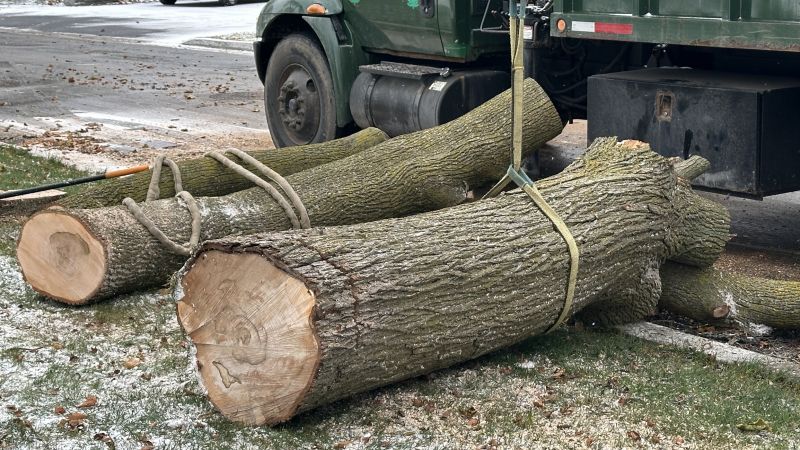
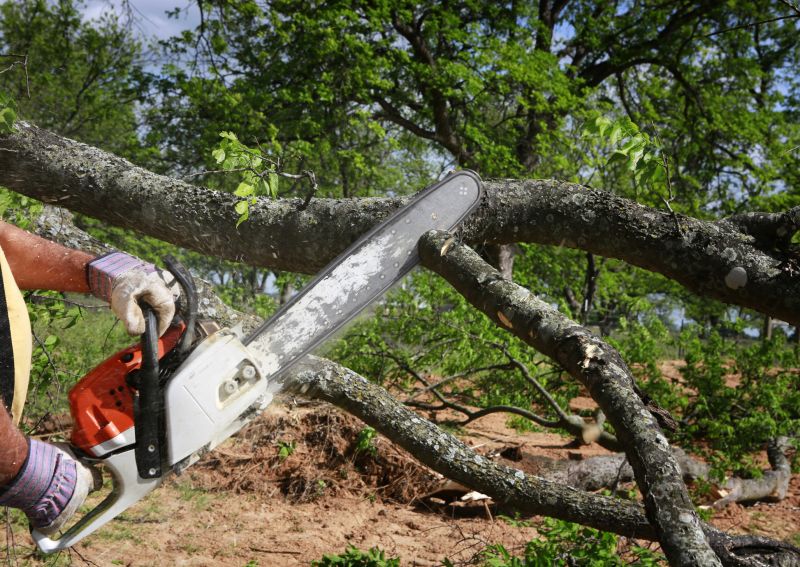
Residential tree services encompass a range of professional tasks aimed at maintaining, removing, or caring for trees on private properties. These services typically include pruning to improve tree health and appearance, trimming to remove dead or overgrown branches, and tree removal when a tree becomes hazardous or poses a risk to the property. Additionally, services may involve stump grinding to eliminate leftover stumps after removal or planting new trees to enhance landscape aesthetics. Skilled service providers use the appropriate tools and techniques to ensure trees are managed safely and effectively, helping homeowners keep their outdoor spaces attractive and safe.
Many property-related problems can be addressed through residential tree services. For example, overgrown branches can interfere with power lines, block sunlight, or pose a danger during storms. Diseased or damaged trees may weaken over time and risk falling, potentially causing property damage or injury. In some cases, trees may obstruct views or limit access to certain areas of the yard. Regular tree maintenance can prevent these issues from escalating, while professional removal can eliminate trees that are beyond saving or pose a danger. This proactive approach helps preserve the safety and integrity of the property.
The types of properties that typically utilize residential tree services include single-family homes, multi-family residential complexes, and private estates. Homes with mature trees often require ongoing maintenance to keep trees healthy and prevent overgrowth. Larger properties or those with extensive landscaping may need more comprehensive tree care to manage multiple trees effectively. Even properties in urban or suburban areas can benefit from these services, especially when trees are close to structures, sidewalks, or utility lines. Homeowners who notice dead or leaning trees, broken branches, or other signs of distress should consider reaching out to local contractors for assessment and assistance.
Homeowners often turn to residential tree services when facing specific challenges or concerns. These include removing hazardous trees near homes or driveways, managing overgrown branches that block views or pathways, or addressing storm damage that leaves trees or limbs broken and unstable. Additionally, property owners planning landscaping projects may seek professional tree trimming or planting services to improve curb appeal. When trees show signs of disease, infestation, or structural weakness, prompt intervention from experienced service providers can help prevent further damage or safety risks. Contacting local contractors can ensure that tree-related issues are handled efficiently and with the appropriate expertise.
The overview below groups typical Residential Tree Service projects into broad ranges so you can see how smaller, mid-sized, and larger jobs often compare in your area.
In many markets, a large share of routine jobs stays in the lower and middle ranges, while only a smaller percentage of projects moves into the highest bands when the work is more complex or site conditions are harder than average.
Small Tree Trimming - typical costs range from $250-$600 for routine pruning of small trees. Most projects fall within this middle range, depending on tree size and location. Fewer jobs push into the higher end for larger or more complex trimming tasks.
Large Tree Removal - removing a mature, sizable tree can cost between $1,000 and $3,000, with more complex cases reaching $4,000 or more. Many projects are within the lower to middle part of this range, while very large or difficult removals can push higher.
Stump Grinding - stump removal typically costs $100-$300 per stump, depending on size and accessibility. Most projects land in this range, with larger stumps or multiple stumps increasing overall costs.
Full Tree Replacement - replacing an entire tree can cost from $1,500 to over $5,000, based on tree species and size. Many standard replacements fall into the middle of this range, while larger, more mature trees can increase the price significantly.
Actual totals will depend on details like access to the work area, the scope of the project, and the materials selected, so use these as general starting points rather than exact figures.
Tree Trimming and Pruning - local contractors who specialize in shaping and maintaining trees use similar skills and tools as residential tree services to ensure healthy growth and safety.
Stump Grinding and Removal - professionals experienced in stump removal utilize comparable equipment and planning to clear tree remnants after removals or storms.
Emergency Tree Care - local service providers equipped to handle storm damage or hazardous trees apply similar techniques to assess and mitigate risks quickly and effectively.
Land Clearing Services - contractors who clear overgrown lots or prepare land for development share planning and tool usage with residential tree service providers.
Tree Planting and Installation - experts in planting new trees follow similar procedures and use comparable tools to ensure proper placement and growth.
Hazard Tree Assessments - specialists who evaluate the stability of trees for safety purposes employ similar inspection skills and planning as residential tree service providers.
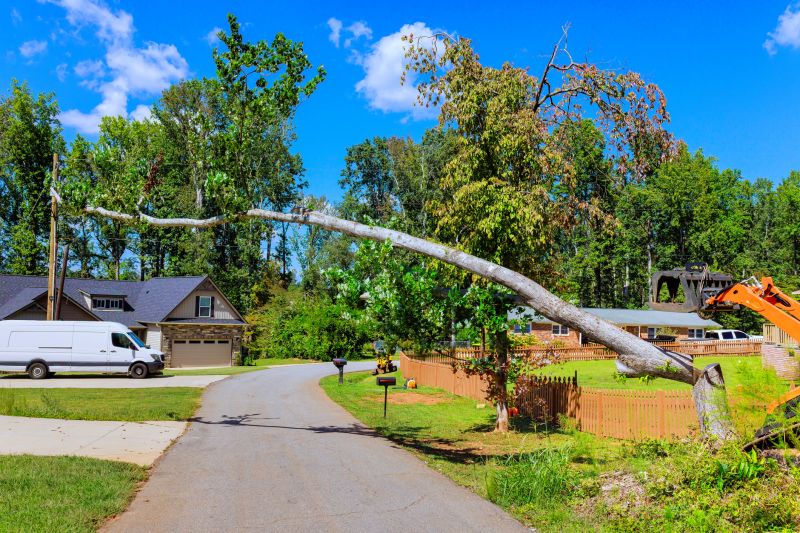
When comparing residential tree service providers, it’s important to consider their experience with similar projects. Homeowners should look for service providers who have a proven track record of handling the specific types of trees and tasks involved in their project, whether it’s pruning, removal, or maintenance. An experienced contractor will be familiar with local tree species, potential challenges, and best practices, which can contribute to a safer and more effective job. Gathering information about how long a contractor has been working in the area and their familiarity with local conditions can help ensure they have the practical knowledge needed to complete the work successfully.
Clear, written expectations are essential when evaluating local contractors. Homeowners should seek detailed estimates that outline the scope of work, materials, and any additional services included. Transparent communication about what is and isn’t included helps prevent misunderstandings and ensures everyone is on the same page. A reputable service provider will be willing to provide written descriptions of their process and clarify any questions, making it easier to compare options objectively and select a contractor that aligns with the project’s needs.
Reputable references and good communication are key indicators of reliable local service providers. Homeowners can ask for references from previous clients who had similar work done and follow up to learn about their experiences. Additionally, how a contractor communicates-whether they are responsive, clear, and professional-can reveal much about their approach to customer service. Effective communication helps ensure that expectations are understood and that the project proceeds smoothly. It’s important to remember that this site introduces homeowners to local options, not that it performs the work itself, so taking the time to research and compare these aspects can lead to a more satisfactory outcome.
Property owners use Residential Tree Service services for practical projects around their homes and businesses. This guide focuses on everyday jobs and straightforward project options.
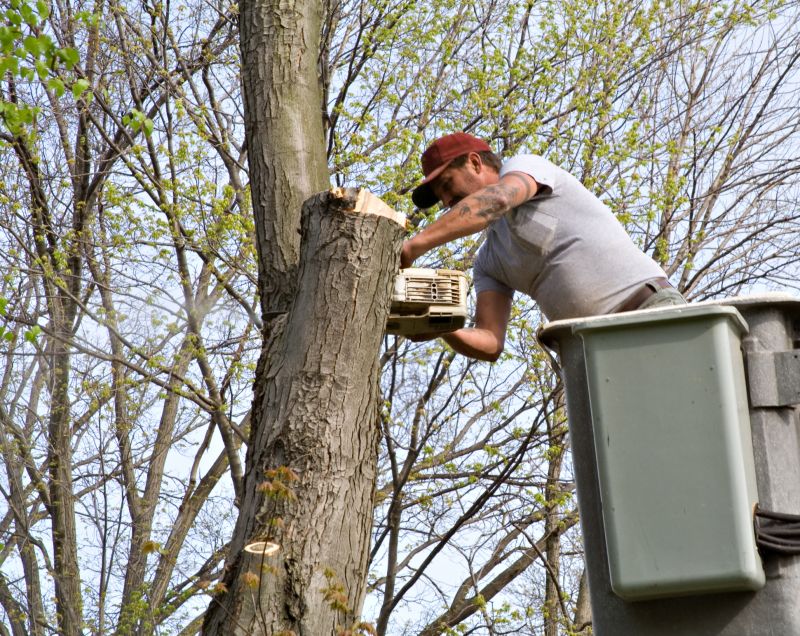
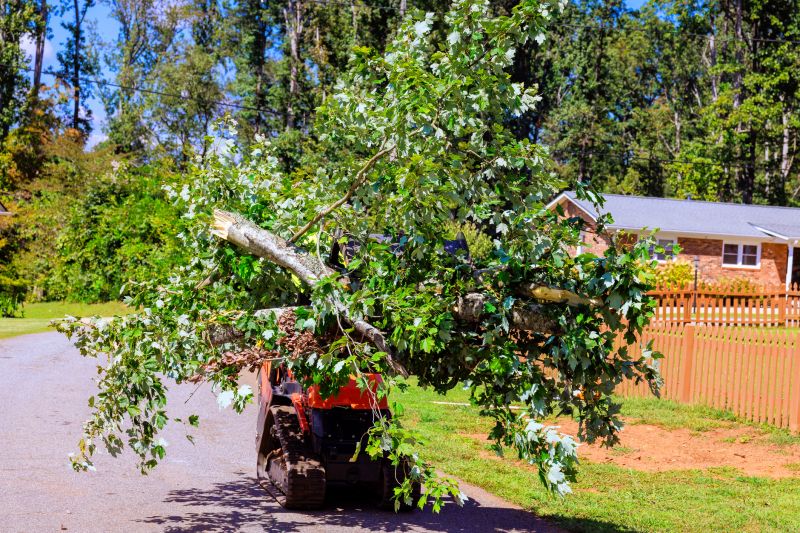
Residential property owners often seek tree services to address common concerns such as overgrown branches that threaten to block sunlight, interfere with power lines, or pose safety risks during storms. Additionally, many may need trimming or pruning to promote healthy growth, improve the appearance of their yards, or prevent trees from becoming unstable. Service providers in the area can handle these routine tasks efficiently, helping homeowners maintain a safe and attractive outdoor space.
Other typical reasons for hiring local contractors include removing dead or hazardous trees that could potentially fall and cause damage or injury. Property owners might also look for assistance with tree removal after severe weather events or when planning landscaping projects that require clearing space. These professionals offer the expertise to manage such projects safely and effectively, ensuring trees are handled properly to protect both property and people.
What types of residential tree services are available? Local contractors typically offer services such as tree trimming, pruning, removal, and stump grinding to help maintain and improve residential landscapes.
How do I know if a tree needs to be removed? Service providers can assess the health and stability of a tree to determine if removal is necessary due to disease, damage, or safety concerns.
Can local pros handle emergency tree situations? Many service providers are equipped to respond to urgent situations like fallen or hazardous trees that pose immediate risks.
What should I consider when choosing a residential tree service? It's important to evaluate the experience, reputation, and services offered by local contractors to ensure they meet your landscape needs.
Are there specific trees that require regular maintenance? Certain species or trees in high-traffic areas may need periodic pruning and care to promote health and safety.
Tree Trimming and Pruning - Regular trimming helps maintain the shape and health of trees, making outdoor spaces safer and more attractive.
Stump Removal - Removing tree stumps after a removal project can improve yard safety and create space for new landscaping ideas.
Emergency Tree Services - Local contractors can quickly address fallen or damaged trees caused by storms to prevent further property damage.
Tree Health Assessments - Professionals can evaluate trees for signs of disease or decay, helping property owners plan necessary maintenance or removals.
If you are thinking about Residential Tree Service for a property, this guide is meant to help you understand the work, the typical project types, and how different options might fit your plans.
When you are ready, you can use the quote form on this page to share a few details about your project. From there, local pros can review the basics and respond with options that match what you have in mind.