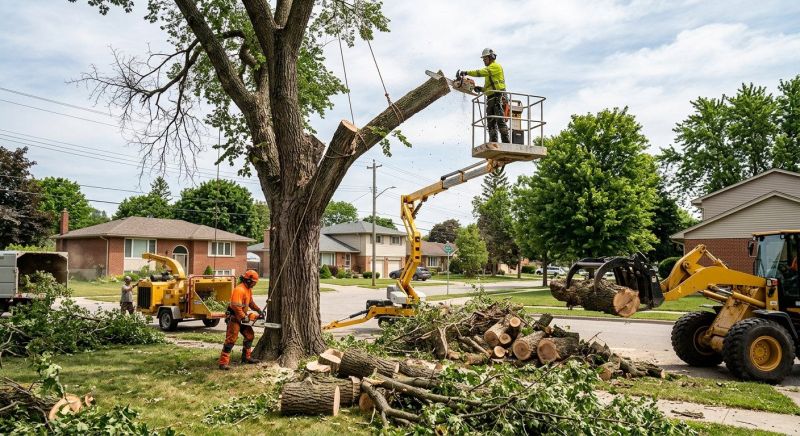
Apple Tree Removal in Allentown, PA
Apple tree removal services involve the careful and efficient removal of apple trees that are no longer desired, pose safety risks, or are affected by disease or damage. This process typically includes assessing the tree’s size and location, safely cutting and dismantling the tree, and removing debris from the property. Projects may range from removing a single tree to clearing multiple trees in orchards or landscaped areas, ensuring the property remains safe and visually appealing.
Homeowners and property owners often seek apple tree removal to eliminate dead or dying trees, prevent potential hazards such as falling branches, or make space for new landscaping projects. Before requesting removal, it is helpful to understand the tree’s size, health condition, and proximity to structures or utility lines. Proper planning ensures the removal process is safe, efficient, and minimizes disruption to the surrounding landscape.
Many property owners in Allentown, PA look into Apple Tree Removal for repairs, replacements, upgrades, and appearance-related improvements.
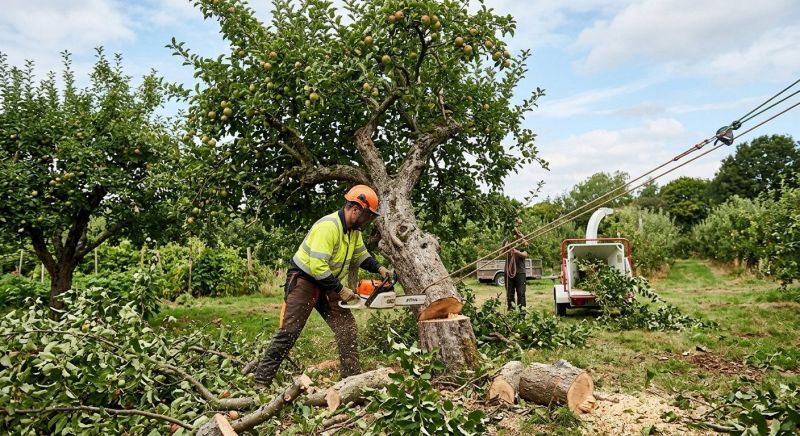
Reasons For Tree Removal
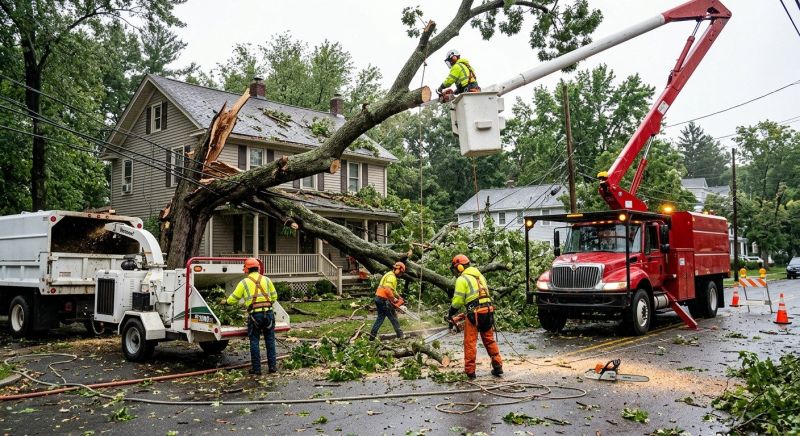
Tree removal may be necessary due to disease, damage, or safety concerns on residential properties in allentown, pa.
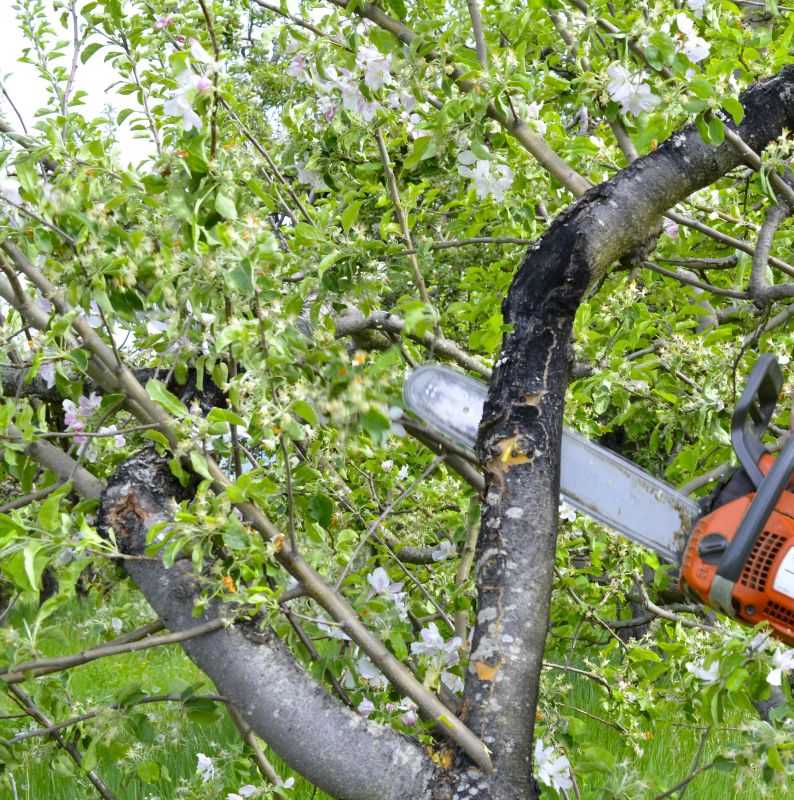
Removal Techniques
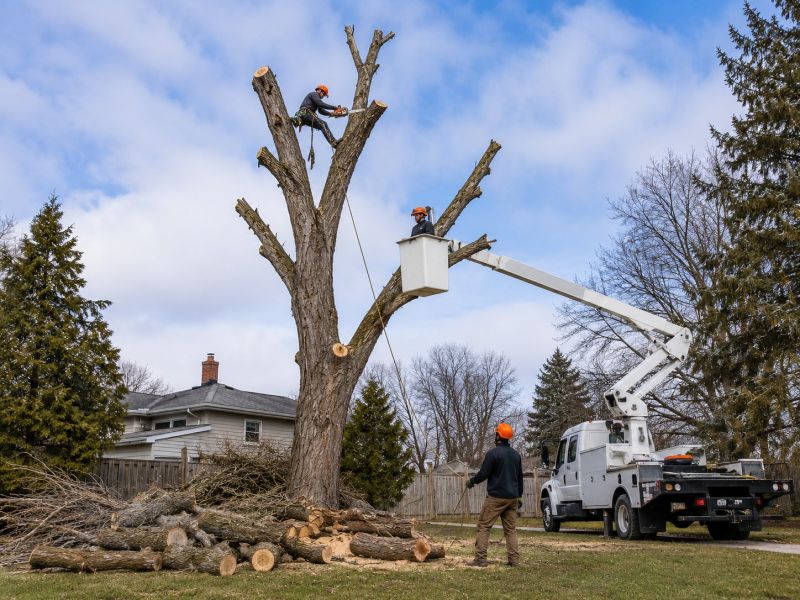
Professional services utilize safe and efficient methods to remove trees while minimizing impact on the surrounding landscape.

Post-Removal Cleanup
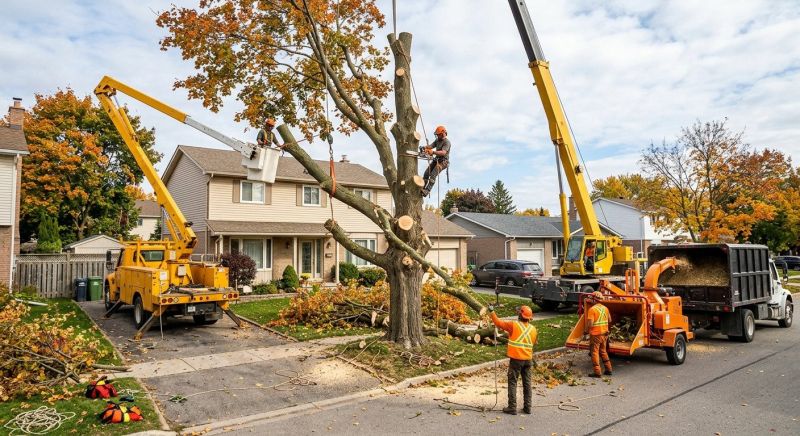
Complete cleanup includes stump grinding, debris removal, and site restoration to maintain property appearance and safety.
Apple Tree Removal in Allentown, PA
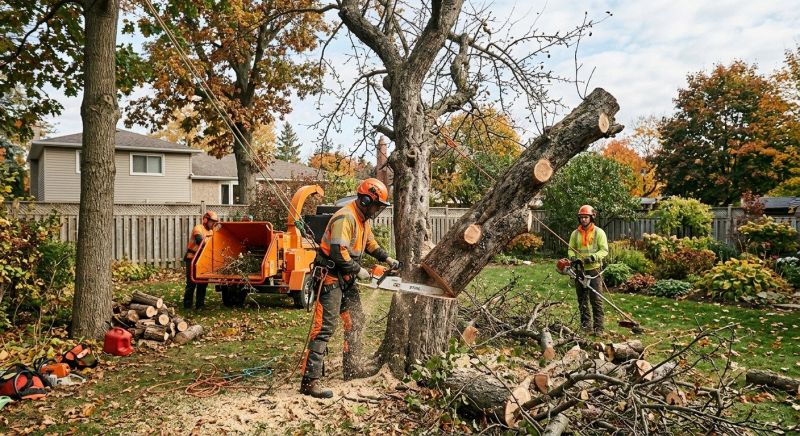
Apple tree removal services involve the careful and efficient removal of apple trees that are no longer desired, pose safety risks, or are affected by disease or damage. This process typically includes assessing the tree’s size and location, safely cutting and dismantling the tree, and removing debris from the property. Projects may range from removing a single tree to clearing multiple trees in orchards or landscaped areas, ensuring the property remains safe and visually appealing.
Homeowners and property owners often seek apple tree removal to eliminate dead or dying trees, prevent potential hazards such as falling branches, or make space for new landscaping projects. Before requesting removal, it is helpful to understand the tree’s size, health condition, and proximity to structures or utility lines. Proper planning ensures the removal process is safe, efficient, and minimizes disruption to the surrounding landscape.
Many property owners in Allentown, PA look into Apple Tree Removal for repairs, replacements, upgrades, and appearance-related improvements.
Common Apple Tree Removal Jobs
Apple Tree Removal - safely removes damaged or diseased apple trees to protect property and other plants.
Apple Tree Trimming - prunes apple trees to promote healthy growth and improve fruit production.
Stump Removal - eliminates leftover tree stumps to prevent pest infestations and enhance landscape appearance.
Emergency Tree Removal - handles urgent situations involving unstable or fallen apple trees.
Root Removal - extracts invasive roots that may threaten foundations or underground utilities.
Fruit Tree Clearing - removes overgrown or unwanted apple trees to maintain landscape aesthetics.
Apple Tree Removal Questions
Why should I consider removing an apple tree? Removing an apple tree may be necessary if it is diseased, damaged, or interfering with property structures or utilities.
What signs indicate an apple tree needs removal? Signs include dead or dying branches, extensive pest damage, structural instability, or root issues affecting nearby plants.
Is apple tree removal safe for my property? Proper removal techniques help prevent damage to surrounding landscaping and property features, ensuring safety during the process.
What are common reasons property owners request apple tree removal? Reasons include safety concerns, space clearing, disease control, or preparing the area for new landscaping projects.
Request Apple Tree Removal in Allentown, PA
Use the quote form on this page to share the basics of your project and request more information for the type of work you need.